Ancient Athletics & Games

Play, Ritual, and Contest
in the Ancient World

From the rubber-ball courts of the Maya to the chariot tracks of Rome, ancient peoples across every continent invented games that were simultaneously sport, ritual, and cosmological theatre.

Games are among the most revealing windows into ancient cultures — they encode cosmology, social hierarchy, diplomacy, and theology in their rules, arenas, and equipment. The traditions surveyed here span five millennia and five continents, yet share a common thread: play as a form of world-making.

Mesoamerica · Olmec–Maya–Aztec

The Mesoamerican Ballgame

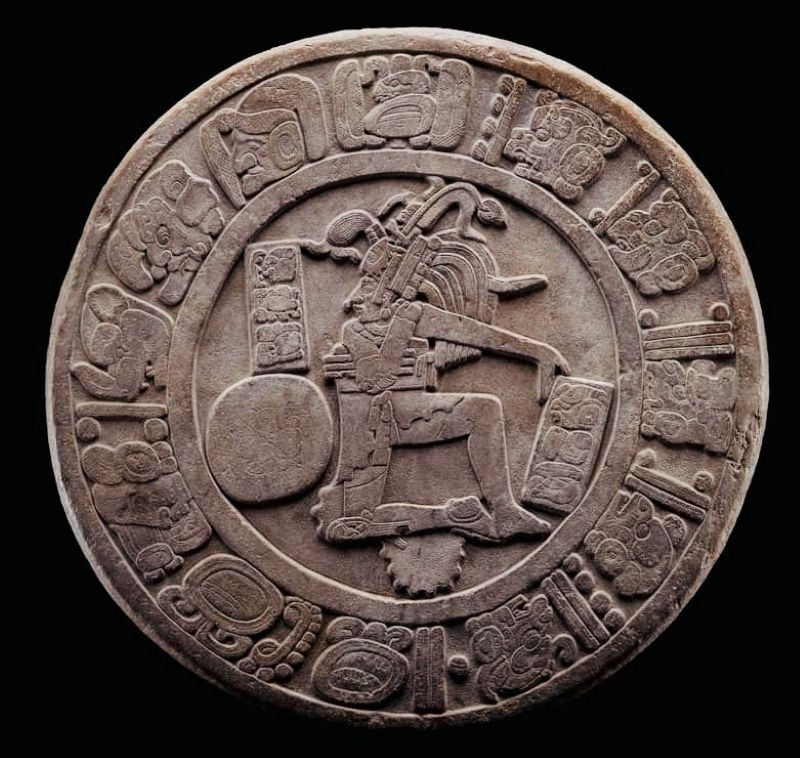
The oldest team sport in the world, played continuously for over 3,000 years across Mesoamerica. Heavy rubber balls were driven through stone rings using hips and forearms on stone-paved courts aligned to astronomical sight lines. At least some matches ended in ritual sacrifice — though whether it was winners or losers who died remains debated. More than 1,500 ballcourts survive, from the massive Great Ballcourt at Chichén Itzá to modest village courts throughout the Maya lowlands.

Earliest evidence ~1400 BCE (Paso de la Amada)
Region Mexico, Guatemala, Belize, Honduras
Equipment Solid rubber ball, yoke, hacha, palma
Key sites Chichén Itzá, Monte Albán, Copán, Cantona
View Chichén Itzá on map →
𓇳
Egypt & Near East · 3500–500 BCE

Egyptian & Mesopotamian Board Games

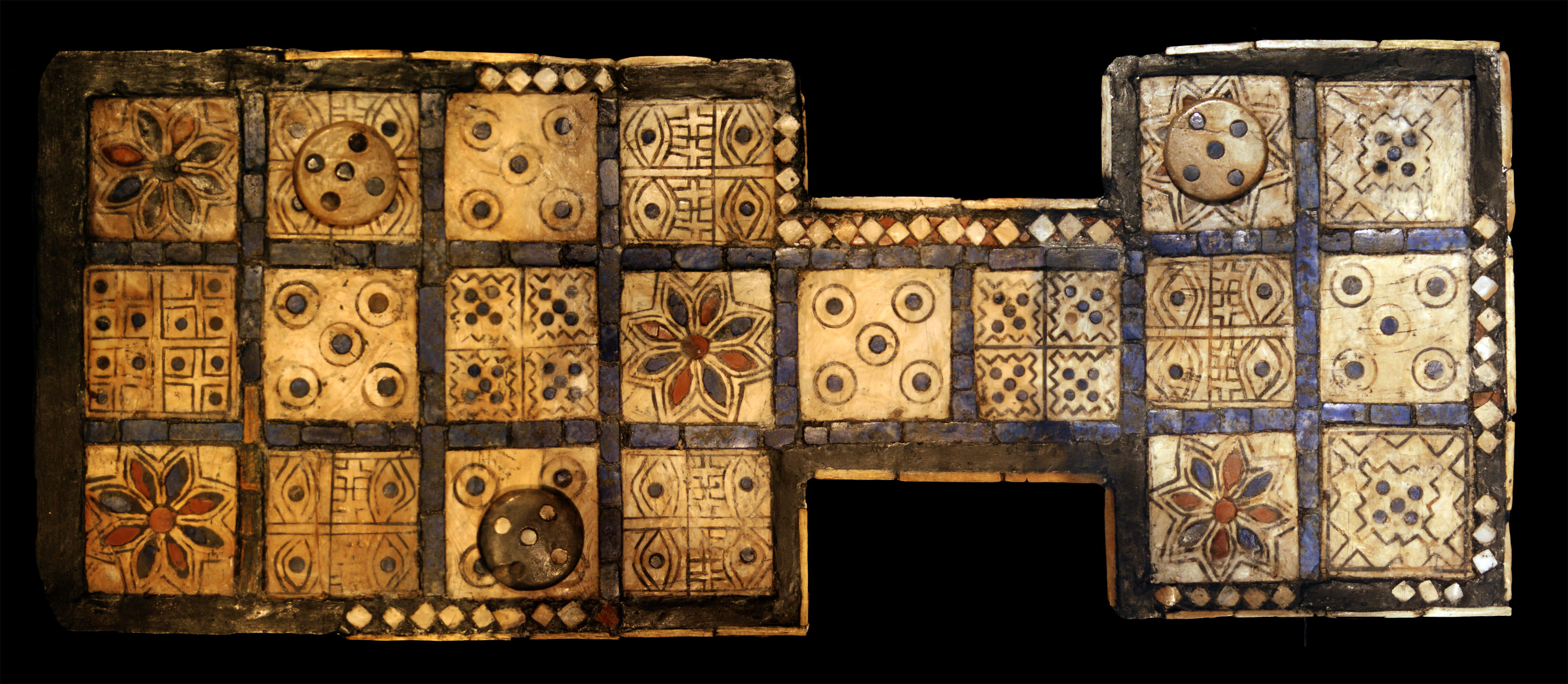
Senet — found in pre-dynastic graves and in Tutankhamun's tomb — represented the soul's passage through the Duat underworld. Mehen, played on a coiled serpent board, was linked to the sun god's nightly journey. The Royal Game of Ur (Twenty Squares), excavated by Leonard Woolley and still played using a 177 BCE cuneiform rulebook, is the oldest game whose rules survive intact. Fifty-Eight Holes (Hounds and Jackals) spread from Egypt across the Levant, Anatolia, Cyprus, and Iran during the Bronze Age. Regional variants of all four games appear throughout the eastern Mediterranean — Cypriot and Levantine forms are generally treated as local manifestations of the same game families rather than independent inventions.

Earliest evidence ~3500 BCE (Senet, pre-dynastic Egypt)
Region Egypt, Mesopotamia, Levant, Cyprus, Anatolia
Key games Senet, Mehen, Royal Game of Ur, Fifty-Eight Holes
Key sites Ur, Thebes, Tell el-Amarna, Abu Sha'ar
Play & rules: Senet → Play & rules: Mehen → Play & rules: Royal Game of Ur → Play & rules: Hounds & Jackals →
Ancient Greece · c. 700–100 BCE

Greek Strategy Games

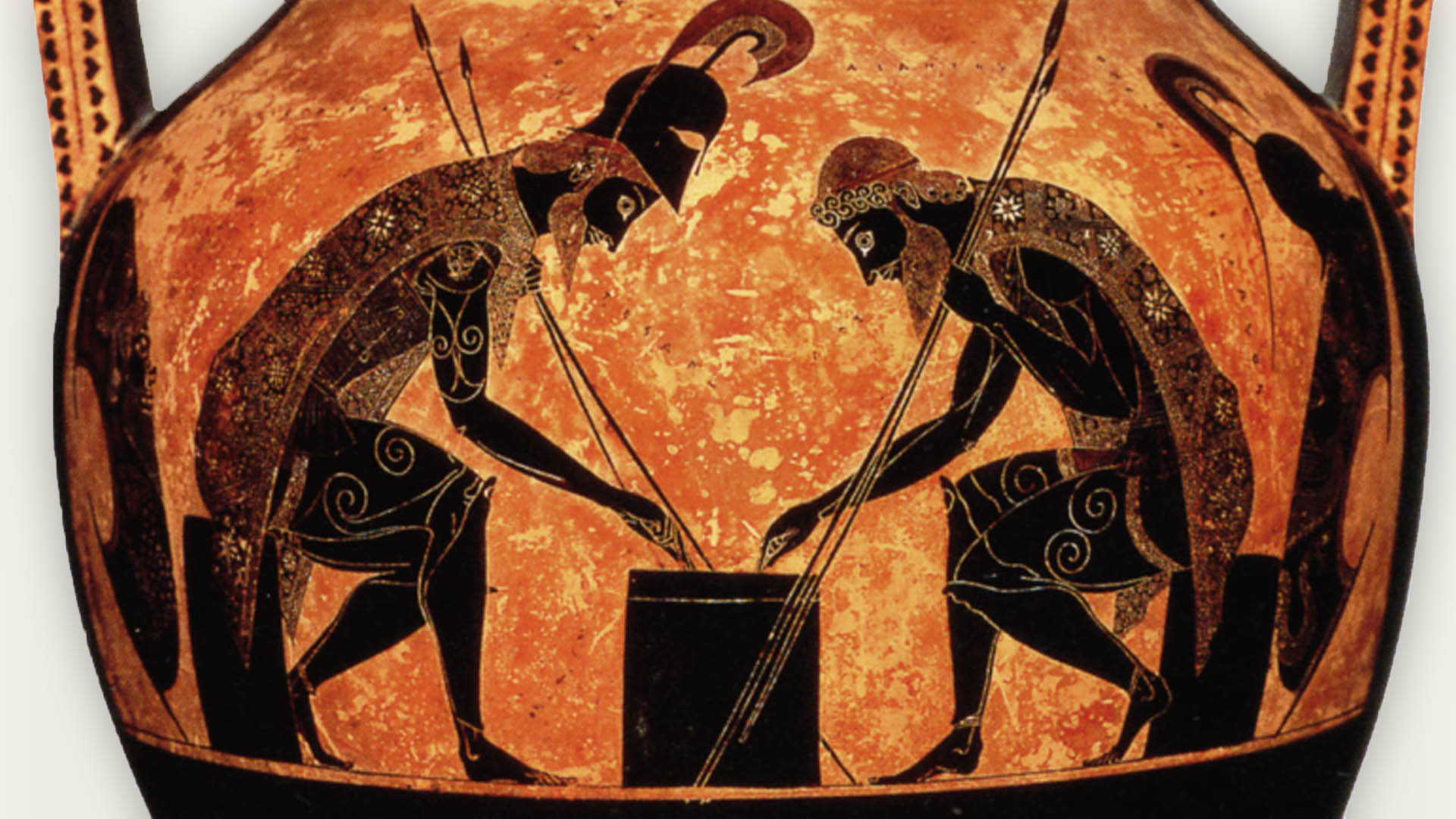
Petteia ("pebbles") is the best-attested Greek board game — a strategy game mentioned by Plato and Aristotle and depicted on Attic vases. Poleis ("cities") appears in ancient literary discussion as a game in the petteia family. Pente Grammai (Five Lines) is attested in classical literature and depicted on the famous Exekias amphora (c. 530 BCE) showing Achilles and Ajax playing during the Trojan War. All three belong to a broader Mediterranean strategy tradition. Their names are securely attested; exact rules are partially reconstructed from textual and iconographic evidence rather than surviving rulebooks.

Key games Petteia, Poleis, Pente Grammai (Five Lines)
Primary sources Plato, Aristotle, Exekias amphora (530 BCE)
Status Named securely; rules partially reconstructed
Play Petteia →
🎲
Rome & Byzantium · 200 BCE – 600 CE

Roman Board Games

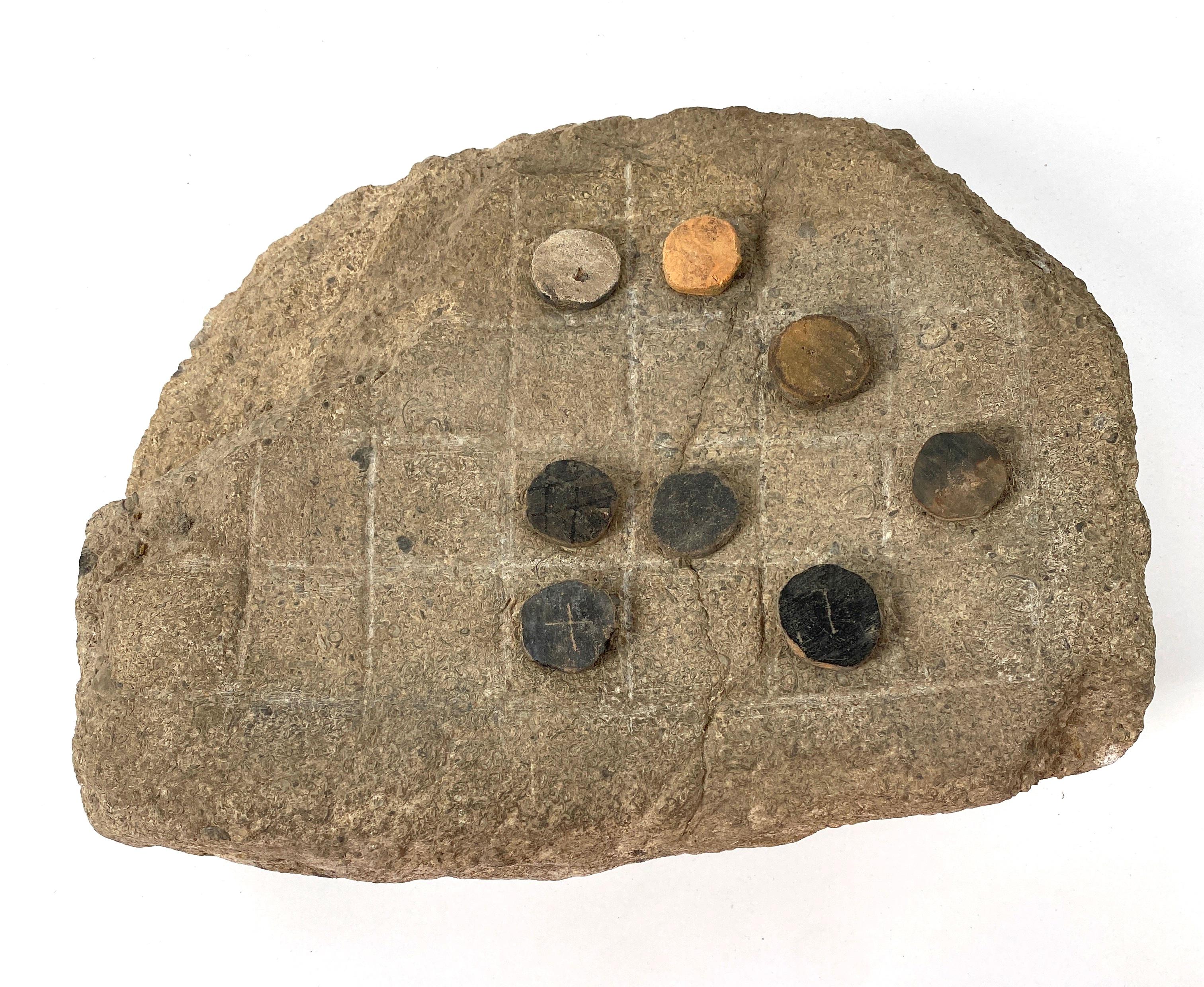
Romans played obsessively — boards are carved into the steps of the Forum, the Colosseum, and military forts across the empire. Ludus latrunculorum (latrunculi) was a strategy game likened to chess by Roman writers; pieces survive from Britain to Syria. Duodecim scripta (Twelve Lines) was a race game that evolved into Tabula, the direct ancestor of backgammon. Terni lapilli was an alignment game equivalent to tic-tac-toe, scratched everywhere. Alea encompassed dice and gambling games in the same family. Into late antiquity the tradition merged with Persian Nard (ancestor of backgammon, best documented in Sasanian Iran) and eventually Shatranj — the Arabic adaptation of Indian chess that arrived via Iran and transformed European game culture.

Key games Latrunculi, Duodecim scripta, Tabula, Terni lapilli, Alea
Late antique Nard (Persia), Shatranj/Chatrang (Iran → Arabia)
Physical evidence Boards at Forum, Colosseum, Hadrian's Wall forts
Descendants Backgammon (Tabula), Chess (Shatranj)
Play Petteia / Ludus Latrunculorum → Play Nard (Original Backgammon) →
China & India · 2000 BCE – 700 CE

East & South Asian Board Games

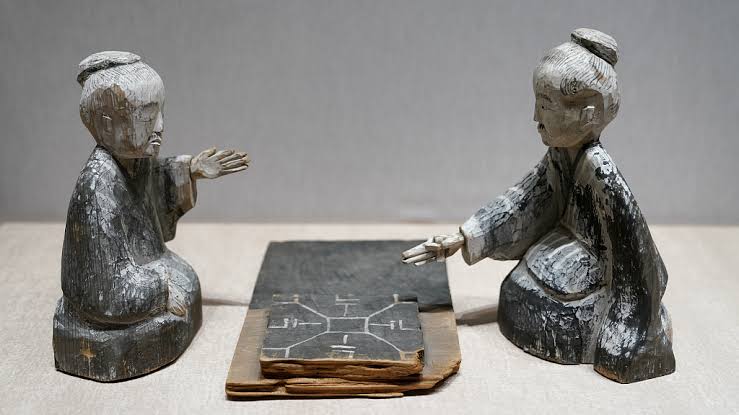
Weiqi (Go) is arguably the world's oldest continuously played board game, with probable origins in the 2nd millennium BCE; it appears in Confucian texts by 500 BCE and its rules remain unchanged today. Liubo — documented by Han dynasty texts and tomb art, played on a marked board with pieces and throws — was the dominant Chinese strategy game before weiqi displaced it. In South Asia, Ashtapada (an 8×8 board pattern) is attested in ancient Indian texts as a surface for race and strategy games; its exact forms are debated but it is ancestral to the chess family. Chaturanga (c. 600 CE) is the earliest unambiguous ancestor of chess, encoding the four military arms — infantry, cavalry, elephants, chariots — that survive today as pawn, knight, bishop, and rook.

Earliest evidence ~2000 BCE (Weiqi, China)
Key games Weiqi/Go, Liubo, Ashtapada, Chaturanga
Descendants Go (unchanged), Chess (Chaturanga → Shatranj → modern)
Attestation Weiqi, Liubo, Chaturanga securely attested
Read & explore: Liubo 六博 →
🏑
North America · Indigenous Traditions

North American Stick-and-Ball

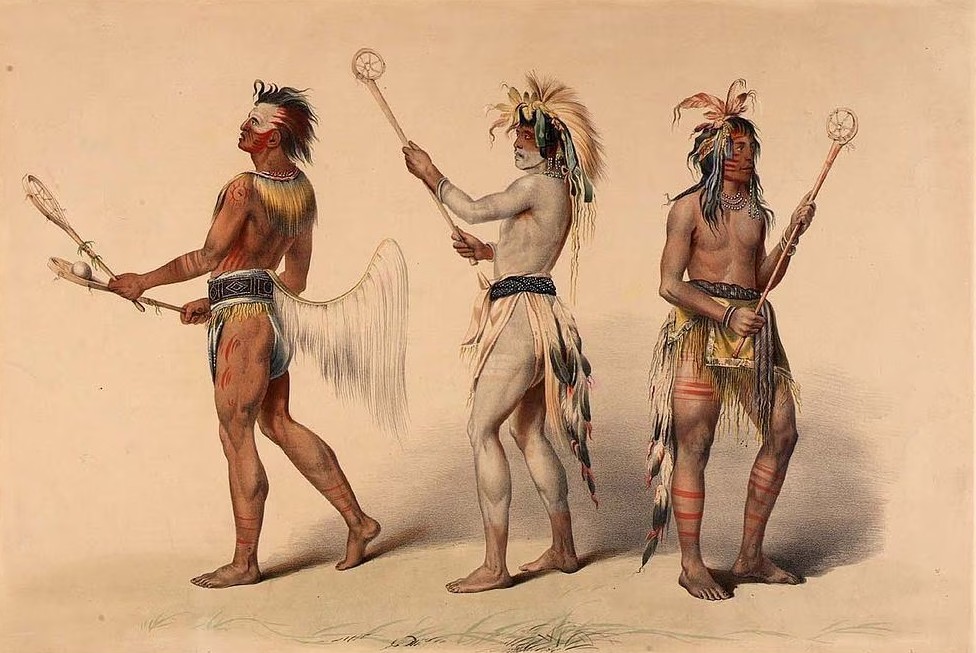
The Indigenous peoples of North America developed a family of stick-and-ball games independently of European influence, of which lacrosse (Tewaarathon) is the best documented. Played across hundreds of kilometres by teams of dozens to hundreds of players, matches lasted days and served as diplomacy, military training, and spiritual practice. The Ojibwe, Haudenosaunee, Cherokee, and many other nations each maintained distinct rule systems. Archaeological evidence for related games — stickball, shinny, and double-ball — extends to at least 1000 CE.

Earliest evidence ~1000 CE (Great Lakes region)
Region Eastern Woodlands, Great Plains, Southeast
Key games Tewaarathon (lacrosse), stickball, shinny
Nations Haudenosaunee, Ojibwe, Cherokee, Choctaw
View North American sites →
🏛️
Greece · Panhellenic Games

The Ancient Olympics

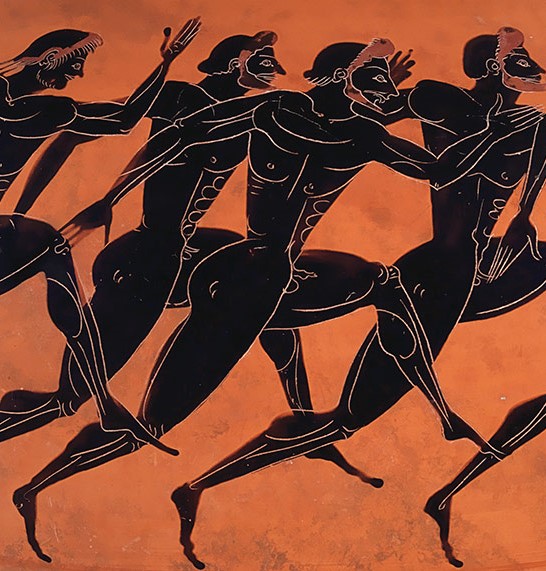
The Olympic Games, held at Olympia in the sanctuary of Zeus every four years from 776 BCE to 393 CE, were the most prestigious of four great Panhellenic festivals. Events included the stadion (sprint), diaulos (double-sprint), dolichos (long-distance), wrestling, boxing, pankration, pentathlon, and chariot racing. Competitors were male citizens of Greek city-states; victors received only an olive wreath but earned lasting fame through odes by poets such as Pindar. The sanctuary at Olympia — including the temple housing Pheidias' enormous chryselephantine Zeus — drew pilgrims from across the Mediterranean.

Founded 776 BCE (traditional)
Duration 776 BCE – 393 CE (1,169 years)
Site Olympia, Elis, Greece
Other festivals Pythian, Isthmian, Nemean Games
View Greek sites on map →
🐎
Rome · Circus Maximus

Roman Chariot Racing

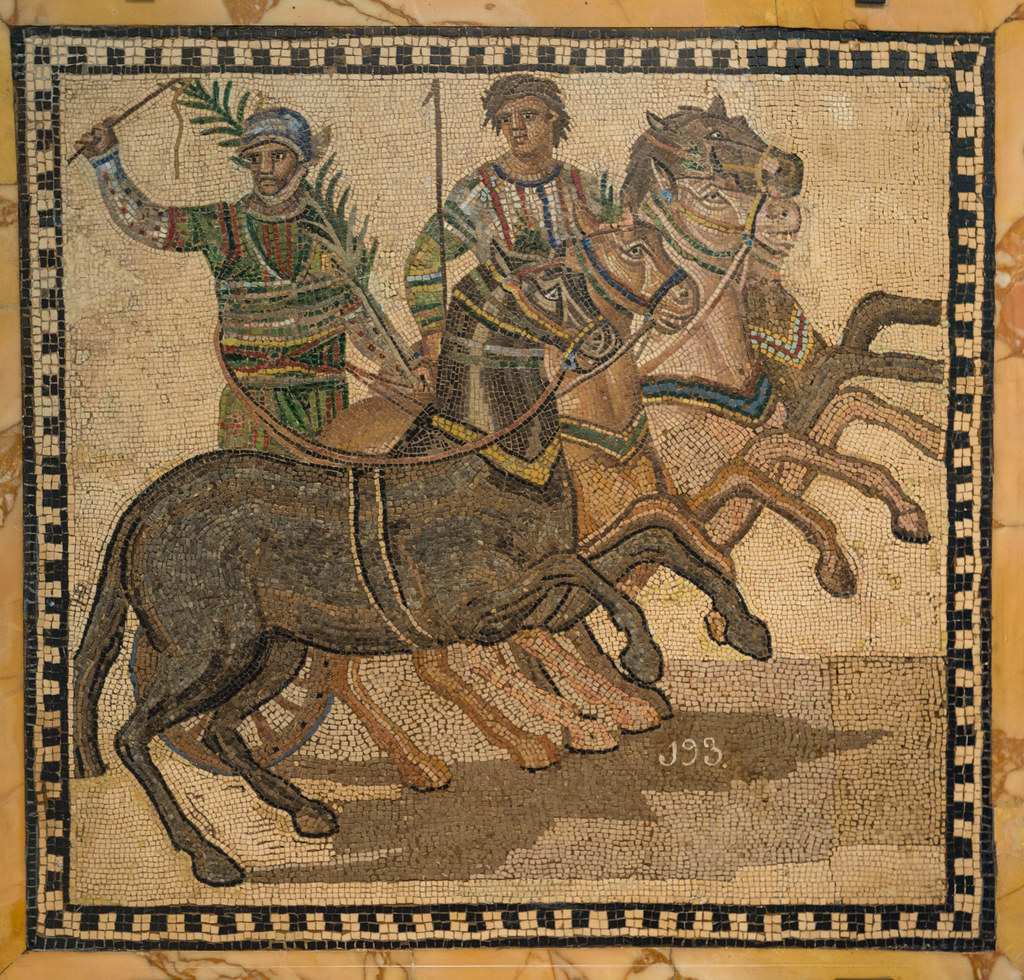
Chariot racing was the most popular spectator sport in the Roman world, drawing crowds of 150,000 to 250,000 at the Circus Maximus in Rome — the largest entertainment venue in history. Teams (factiones) identified by colour — Blue, Green, Red, and White — commanded passionate loyalties that cut across class lines and generated what modern historians recognise as the ancient world's first organised sports fandom. Races ran seven laps around the central spine (spina), with sharp turns at the metae producing spectacular crashes (naufragia). The sport survived the fall of the Western Empire and continued in Constantinople into the Byzantine period.

Earliest evidence 6th century BCE (Rome)
Capacity ~250,000 (Circus Maximus)
Teams Blues, Greens, Reds, Whites
Key sites Circus Maximus, Hippodrome of Constantinople
View Roman sites on map →